

Engines That Never Fade
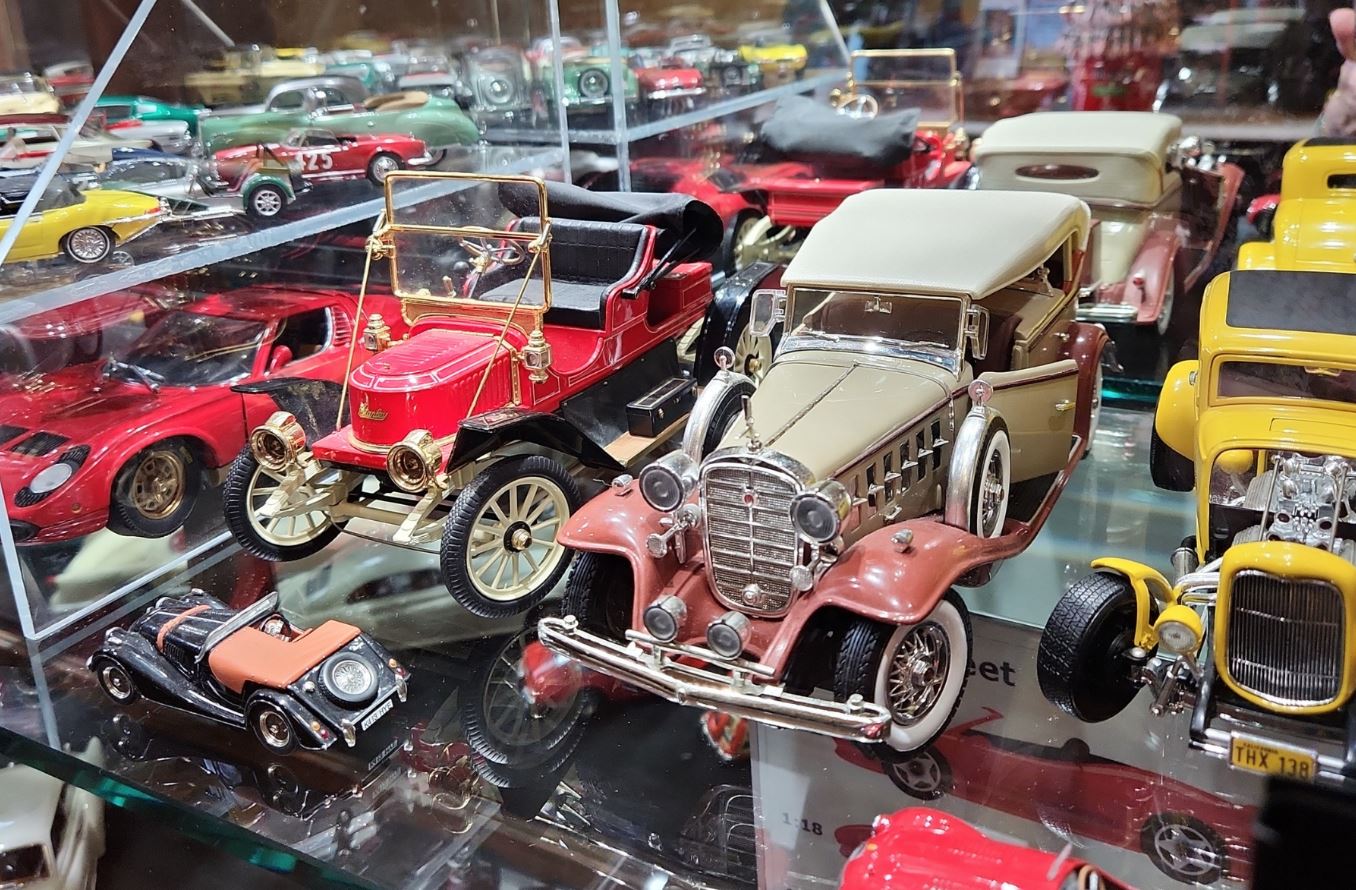
Discovering the craftsmanship, nostalgia, and hidden artistry behind the miniature worlds of diecast cars
The Metal That Remembers Motion
There is a peculiar magic in holding a diecast car. It is not merely a replica but a memory forged in metal. Each contour, each glint of paint, captures the essence of movement even when perfectly still. These small machines are built with reverence for the originals they emulate, honoring decades of engineering and design. Their appeal extends beyond childhood fascination. Collectors and enthusiasts see them as vessels of history, tangible links between art, industry, and nostalgia. A diecast model does not move by its own power, yet it carries the spirit of motion within it. To collect one is to preserve a fragment of human ingenuity distilled to its purest form.
Unlike many forms of memorabilia, diecast cars bridge generations. They exist at the crossroads of play and preservation. A child rolling one across a carpet might later become the adult who carefully displays it in a glass cabinet. The emotional continuity of this transition defines the soul of the hobby. The tactile weight of metal contrasts the fragility of time, reminding collectors that even as the world accelerates toward the digital, the physical still matters. To trace the curves of a diecast car is to trace the memory of design itself, a celebration of motion frozen just long enough for admiration.
The Birth of the Miniature Machine
The origins of diecast cars can be traced to the early twentieth century, when manufacturing techniques began to merge artistry with precision. Companies in Europe and America experimented with casting zinc alloys into detailed molds, creating models that mirrored the automobiles of the day. These early pieces were crude compared to modern standards, but they represented a revolution. For the first time, miniature cars could be mass-produced with consistent quality. Brands like Dinky Toys, Tootsietoy, and Matchbox became household names, shaping the imaginations of generations.
In postwar years, the craft of diecasting matured. Manufacturers refined their molds, improved paint finishes, and introduced realistic interiors and rubber tires. What began as a novelty evolved into a collectible art form. Each company developed its own philosophy of scale and detail. Some emphasized accuracy, while others celebrated creativity and accessibility. The evolution of diecast cars mirrored the evolution of the real automotive industry, reflecting changes in culture and technology. As cars became symbols of progress and identity, their miniature counterparts captured the same dreams in palm-sized perfection.
The Language of Scale and Precision
Scale is the grammar of diecast collecting, the system that defines proportion and possibility. Every collector knows the numbers that shape their passion: 1:18, 1:24, 1:43, and 1:64. Each ratio represents a balance between realism and intimacy. Larger scales allow intricate detail, opening doors, working suspensions, textured interiors, while smaller scales evoke simplicity and accessibility. The choice of scale is not arbitrary. It reflects how collectors engage with the miniature world. Some seek immersion in authenticity, others in nostalgia or efficiency of space.
To understand scale is to appreciate how craftsmanship meets imagination. Engineers must replicate every curve and texture of a full-sized vehicle within exacting tolerances. A mistake of a millimeter can distort an entire silhouette. The best diecast models achieve a kind of visual truth that transcends size. Under magnification, their paint reflects light like real metal, their chrome glows with convincing warmth, and their proportions convey power and grace. Precision, in this realm, becomes poetry. Each scale carries its own rhythm, its own form of storytelling, proving that artistry can thrive even within constraint.
The Makers of Metal Dreams
Behind every diecast car lies a network of designers, modelers, and artisans who treat their work as craft rather than production. Brands like Hot Wheels, Corgi, Maisto, and AutoArt have become synonymous with different philosophies of miniature creation. Hot Wheels, for instance, celebrates speed and imagination, offering designs that fuse fantasy with function. AutoArt, by contrast, pursues authenticity with almost obsessive precision, replicating every bolt and badge. Each brand builds its own narrative, and collectors often align their loyalties accordingly, curating their shelves like galleries of mechanical art.
These makers operate within a delicate ecosystem of design and devotion. Their process begins with digital modeling and ends with hands-on assembly. Every mold must capture geometry without sacrificing integrity, every paint layer must echo the hue of its real counterpart. The pride of these artisans lies in knowing their work endures. A diecast car might outlive its maker, retaining color and form long after the factory closes. Within that permanence lies the true reward of craftsmanship, the knowledge that the object will continue to inspire wonder in hands yet unborn.
The Collector’s Eye and the Art of Curation
To collect diecast cars is to curate a museum of motion. Each model represents a story, whether of innovation, nostalgia, or personal memory. Some collectors pursue themes: a decade, a manufacturer, a racing lineage. Others build eclectic collections guided by emotion rather than logic. Regardless of approach, every collector shares a common instinct, to preserve beauty in miniature. The process becomes meditative. The act of arranging, cleaning, and cataloging models mirrors the rituals of art curation. Each display reflects not only the cars themselves but the sensibility of their keeper.
Collectors often describe their passion as both escape and expression. The shelves they build become self-portraits rendered in chrome and paint. Through their collections, they communicate fascination, discipline, and taste. What outsiders see as a simple hobby often conceals deep aesthetic understanding. The collector’s eye recognizes subtle differences in proportions, finish, and branding. They learn the history of design through touch, not just sight. This tactile scholarship transforms collecting from pastime into art form, one that bridges craftsmanship, culture, and emotion with quiet dignity.
The Transformation of Play into Heritage
Every diecast car begins as a toy, yet not every toy becomes a collectible. The transformation occurs through care and context. What was once handled roughly by small hands becomes an artifact once preserved with intention. The line between plaything and heirloom blurs. For many collectors, the models they acquire as adults are echoes of those they cherished in youth. This continuity infuses the hobby with emotional depth. To restore an old diecast model is to restore a fragment of childhood, to repair not just metal but memory itself.
The elevation of toys into heritage also reveals how material objects can carry collective meaning. Museums and private exhibitions now celebrate diecast cars as cultural artifacts, documenting their role in shaping imagination. They represent design in microcosm, the democratization of engineering appreciation. Through them, people of different ages and backgrounds share a common visual language. A simple toy becomes a unifying symbol, a reminder that wonder can survive the passage of time if handled with enough care. The durability of diecast models proves that small things can preserve enormous significance.
The Industry of Memory and Motion
The global market for diecast cars has evolved into a sophisticated ecosystem of artistry, marketing, and nostalgia. Manufacturers release limited editions, chase variants, and collaborative designs that appeal to both collectors and investors. This duality creates a dynamic tension between passion and commerce. While some collectors pursue value appreciation, others focus on emotional satisfaction. Yet both groups are connected by the same reverence for design and story. The market thrives because it caters to both hearts and wallets, transforming remembrance into enterprise.
Beyond commerce, the industry sustains a community of enthusiasts who share knowledge and creativity. Customizers repaint, modify, and hybridize models to create unique interpretations. Online forums, social media, and conventions allow these creators to exchange ideas and showcase work. The culture surrounding diecast cars thrives on participation rather than possession. Every collector contributes to the narrative of the hobby by documenting, photographing, or preserving models for future study. The industry becomes more than business, it becomes a living conversation between history, design, and devotion.
The Future of Miniature Engineering
As technology advances, so too does the world of diecast production. Modern manufacturers now employ 3D scanning and printing to replicate real vehicles with unmatched accuracy. Paint applications use micro-layered coatings that mimic the reflection of automotive finishes. Some premium models incorporate functioning suspension systems and LED lighting, blurring the line between toy and art object. Yet amid all innovation, the core remains unchanged: the fascination with scale, the joy of precision, and the romance of craftsmanship.
The future of diecast collecting may also involve digital crossover. Augmented reality could allow collectors to visualize virtual garages or display metadata alongside physical models. Still, even as technology reshapes presentation, the soul of the hobby remains tactile. The weight of metal in hand, the scent of new paint, the quiet sound of wheels rolling across a wooden surface, these experiences define authenticity. Diecast cars will continue to evolve, but they will always belong to those who value touch as much as sight, memory as much as innovation. Their miniature engines will keep running silently in the imaginations of all who love them.
The Roads That Never End
In the quiet of a collector’s room, rows of diecast cars gleam beneath soft light. They stand still, yet they seem to move in spirit. Each carries the legacy of design, play, and persistence. To some, they are mere objects. To others, they are fragments of a lifelong journey. The beauty of the diecast car lies in its paradox, it is both toy and treasure, both art and machine. These tiny vehicles remind us that fascination is not measured by scale. Within a few inches of metal lives an entire history of imagination and craft. The roads they travel may be small, but their journey is endless, rolling forward through memory, forever driven by the human need to create, collect, and remember.