

Ink That Remembers Every Dream
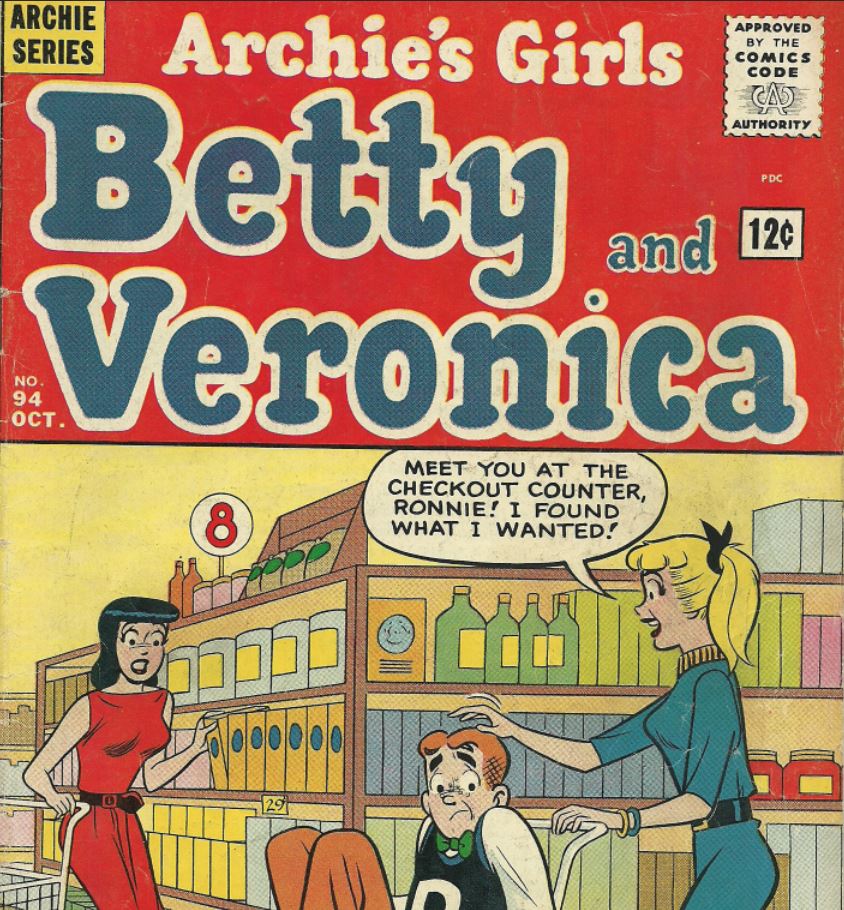
Unfolding the art, history, and cultural memory hidden within the pages of comic books
The Birth of a Visual Language
Long before modern comics filled shelves with glossy covers and cinematic storylines, the idea of sequential art had already taken shape in ancient frescoes and medieval tapestries. Humanity has always sought to tell stories through images arranged in rhythm and motion. Yet the comic book, as we know it, emerged in the early twentieth century, blending illustration, narrative, and design into a single visual syntax. It was not simply entertainment but innovation, the fusion of text and image into an entirely new form of expression. Each panel acted as both a frame and a moment, freezing action while inviting imagination to fill the space between.
When newspapers began publishing comic strips, readers discovered a new way to experience storytelling. The humor of daily life, the exaggeration of character, and the speed of visual punchlines all resonated with audiences. By the 1930s, bound collections of these strips evolved into comic books, giving rise to superheroes and antiheroes, detectives and dreamers. The comic book became a democratic art form, accessible to anyone who could turn a page. It spoke in the universal language of imagination, shaping the cultural consciousness of generations and proving that art could move faster than words alone.
The Golden Age of Myth and Ink
The late 1930s to the mid-1950s marked what collectors now call the Golden Age of Comics, a time when imagination met ambition in bold color and dynamic line. It was during this period that Superman, Batman, Wonder Woman, and countless others leapt from the page to become living symbols of modern mythology. The world was changing rapidly, caught between depression and war, and comics provided escape, inspiration, and identity. They mirrored society’s fears and hopes, transforming ink into courage. Superheroes embodied strength, justice, and resilience, becoming archetypes for readers seeking clarity in uncertain times.
Yet even as caped figures soared across panels, other genres flourished. Westerns, romances, horror, and science fiction explored the depths of human emotion and imagination. The artistry of creators like Jack Kirby, Will Eisner, and Joe Shuster elevated the form beyond pulp. Their work established the grammar of visual storytelling that continues to influence cinema, animation, and digital art. The Golden Age was not only an era of creation but of transformation. It proved that comics were not disposable diversions but reflections of their time, mirrors held up to the collective dreamscape of society.
The Shadows and the Censors
As comic books gained popularity, they also drew scrutiny. In the 1950s, a moral panic erupted over their alleged influence on youth. Critics claimed that lurid imagery and violent themes corrupted innocence. The publication of Dr. Fredric Wertham’s book “Seduction of the Innocent” ignited controversy, leading to Senate hearings and the creation of the Comics Code Authority. This self-imposed censorship restricted creativity for decades, banning depictions of horror, crime, and certain moral ambiguities. For many artists and writers, it marked a suffocating chapter in the medium’s evolution.
But even within limitation, creativity persisted. Subtext replaced explicitness, allegory replaced violence, and irony replaced despair. The underground comix movement of the 1960s emerged as rebellion, rejecting censorship with radical honesty and countercultural flair. Artists like Robert Crumb and Trina Robbins pushed the boundaries of form and content, proving that comics could be subversive and literary. In doing so, they reclaimed the freedom that had been stripped away. The shadows cast by censorship ultimately deepened the art, forcing it to mature and find new ways to tell truth through image and line.
The Silver and Bronze Echoes
The Silver Age of Comics, spanning the 1950s to the 1970s, introduced reinvention. Superheroes returned, but they were no longer flawless paragons. They became human, burdened by doubt and responsibility. Spider-Man worried about rent, the X-Men wrestled with prejudice, and Iron Man confronted morality in machinery. These stories reflected the complexity of a world shaped by civil rights movements, technological change, and global conflict. Comics evolved from spectacle into social commentary. They dared to question rather than merely entertain, bridging the gap between fantasy and reality.
The Bronze Age followed, further deepening the emotional and political range of storytelling. Themes of corruption, addiction, and identity infused the panels with urgency. Artists experimented with form, color, and pacing, transforming the page into cinematic rhythm. Collectors today view this era as a turning point, a time when comics matured into serious art while remaining rooted in accessibility. The Silver and Bronze Ages proved that the comic book could evolve without losing its soul. Its heroes aged, faltered, and grew, just as the readers who followed them did. What began as pulp entertainment became a medium for reflection, empathy, and dialogue.
The Collector’s Obsession
To collect comic books is to chase fragments of cultural history pressed between pages. Each issue carries the scent of paper, ink, and time, a sensory link to the era it was born in. Collectors see beyond value; they see preservation. A comic is more than its story, it is artifact, art, and memory combined. The first appearance of a character, the rarity of a misprint, or the perfection of a preserved cover becomes a treasure not only of commerce but of devotion. In this world, condition is currency, but meaning is what endures.
Comic collectors are archivists of emotion. They catalog joy, fear, and hope in numbered sleeves and graded slabs. For some, the hunt itself defines the passion, the thrill of discovery in forgotten boxes, conventions, or estate sales. For others, the display is ritual, arranging rows of color like stained glass in a secular cathedral. The collector understands that every crease tells a story, every panel holds a universe. To collect comics is to collect the evolution of imagination itself. Each issue becomes a time capsule of how humanity once dreamed, laughed, and questioned its place in the world.
The Page as a Canvas
The artistry of comic books extends beyond narrative. The page itself is a canvas where color, composition, and typography create rhythm. Artists use panels as architecture, guiding the reader’s gaze with precision. A single line can convey motion, emotion, or chaos. Inking defines tone, while lettering gives voice. The collaboration between writer, artist, and colorist produces an alchemy that transcends its parts. The best comics achieve visual music, balancing silence and speech, stillness and explosion, light and shadow. Within these grids, artists express what words alone cannot capture.
Modern creators continue to expand this visual lexicon. Techniques from painting, photography, and film inform new approaches to storytelling. Digital art has broadened palettes, while independent publishing allows experimentation unconstrained by corporate formulas. Comics today range from delicate memoirs to epic sagas, from abstract surrealism to hyperreal detail. Yet even as the tools evolve, the principle remains unchanged: every stroke, every hue, and every transition between panels carries intention. The comic book, when created with care, is not only entertainment but design. It is proof that art can breathe within borders, that creativity thrives within the frame.
The Global Page
While American comics shaped much of the twentieth century, the art form transcended borders long ago. Japan’s manga, France’s bande dessinée, and Latin America’s historietas each developed distinct aesthetics and philosophies. Manga embraced emotion and continuity, stretching stories over hundreds of volumes. European comics emphasized visual sophistication, merging literature and fine art. In each culture, the comic became a mirror of identity and aspiration. Global collectors recognize these regional traditions as part of a shared dialogue, a conversation between styles that enriches the entire medium.
The rise of digital access has further unified this global audience. Fans can now explore rare European editions or early manga serials once unavailable outside their homelands. This cross-pollination fuels innovation. Artists borrow motifs and techniques from each other, creating hybrids that defy categorization. The global page is a living organism, expanding and adapting to every new generation of creators. Through translation and interpretation, comics continue to prove that stories can cross language without losing meaning. The collector who curates works from around the world holds not only objects but the history of imagination itself, rendered in countless visual dialects.
The Future in Ink and Pixel
In the twenty-first century, comics have found new life in the digital realm. Screens replace paper, yet the essence of storytelling remains. Webcomics and graphic novels reach millions without printing a single page. Interactive panels blend animation and sound, transforming reading into participation. Yet even as technology reshapes access, collectors still revere the tactile, the smell of ink, the crackle of old paper, the physical weight of story. The digital and the physical now coexist, each sustaining the other. The collector who once built shelves may now curate servers, preserving both tradition and innovation.
The future of comic books lies not in choosing between forms but in embracing both. The medium’s adaptability ensures its survival. Whether printed on newsprint or displayed on glass screens, comics will continue to translate emotion into image. The collector, as always, will remain the custodian of this evolution, bridging eras and technologies. The panels may change, but the dream within them endures. Comics persist because they capture what it means to see and feel at once, to experience life as sequence and art as memory.
The Endless Page
Every comic, no matter how small, carries infinity folded within its spine. The final panel is never truly an ending but a pause before imagination continues the story. Readers and collectors alike understand this truth: comics do not simply narrate events, they reveal worlds built from courage, humor, and tenderness. The panels may fade, the paper may yellow, but the art remains alive. It whispers across generations, reminding us that creativity is never linear. The comic book, in all its forms, is both artifact and possibility. It teaches us to read the world not as a straight line but as a sequence of moments, each connected by the invisible threads of wonder. In that continuity lies immortality, the endless page that never stops turning.