

The Echo Left on the Field
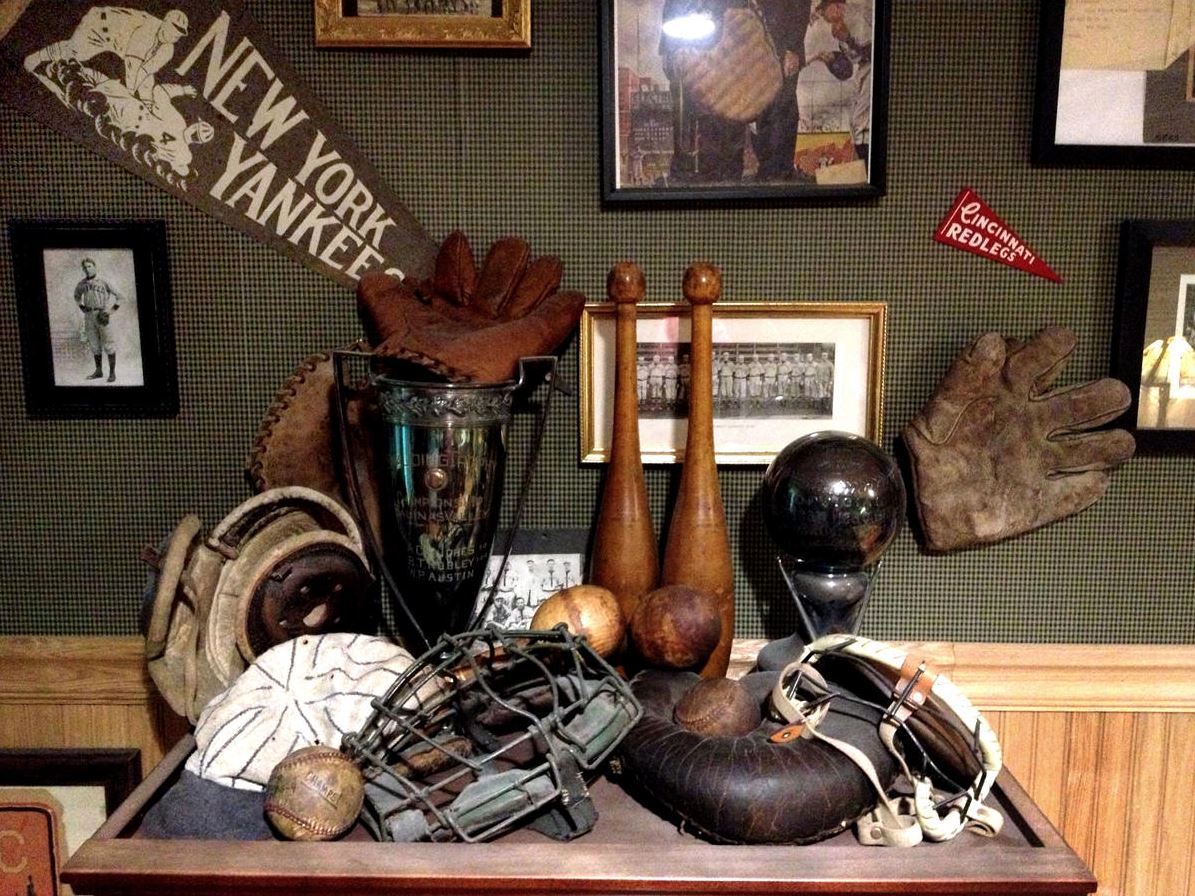
The enduring power of sports memorabilia as fragments of passion, identity, and collective memory preserved through time
The Emotion Beneath the Trophy Case
Every piece of sports memorabilia, whether a signed jersey, a game-worn glove, or a faded ticket stub, carries more than the weight of history. It holds emotion, compressed into tangible form. When someone stands before a baseball cracked from a home run or a football jersey covered in grass stains, they are not looking at an object, they are confronting a moment that once pulsed with human energy. That sensation, that collision of nostalgia and reverence, defines the collector’s devotion. It is less about ownership than about participation, the feeling of sharing space with a fragment of greatness. Sports memorabilia transforms fandom into something permanent, allowing memory to outlast the roar of the crowd.
To the uninitiated, such passion might seem excessive, even irrational. Yet every fan understands the pull of recognition. To hold a piece of the game is to hold a piece of oneself. The sweat, the noise, the fleeting victory, all are distilled into artifacts that resist oblivion. This connection between emotion and object makes sports memorabilia not just an industry but a language of belonging. Through it, individuals remember where they were, who they were with, and how the game made them feel. In that sense, collecting is not consumption, it is remembrance.
From Souvenir to Symbol
The history of sports memorabilia began humbly. In the early twentieth century, fans kept ticket stubs and programs as keepsakes, never imagining their sentimental mementos would become valuable cultural relics. As professional sports grew into global phenomena, these tokens evolved from casual souvenirs into symbols of shared experience. Each era left behind its own artifacts: baseball cards, autographed photos, signed bats, or championship rings. What began as personal nostalgia became a collective tradition. The fan’s impulse to preserve the moment transformed into a global market that bridges emotion, art, and economy.
Some of the earliest collectible items were born from serendipity. Tobacco cards featuring athletes, distributed in the late 1800s, introduced the concept of accessible sports imagery. Soon after, manufacturers realized the appetite for more, posters, pennants, and replicas that brought the game into the home. What made these objects powerful was not just rarity but resonance. A signed ball was not just ink on leather, it was contact between two worlds, the ordinary and the extraordinary. Over time, these relics acquired sacred status. They became conduits for personal stories, linking fans to heroes and generations to their shared past.
The Collector’s Devotion
To collect sports memorabilia is to enter a dialogue with memory. Every collector, whether driven by nostalgia, history, or investment, is engaged in a form of storytelling. The pieces they acquire form chapters in a silent autobiography. A childhood spent watching basketball may lead to a wall lined with signed sneakers, while a lifelong fascination with baseball history may result in a collection of century-old programs. Each item is more than acquisition, it is confession, an expression of what moves the soul. The collector curates emotion as much as artifact, turning personal admiration into tangible heritage.
True collectors speak of the pursuit as a kind of pilgrimage. The hunt, the negotiation, the verification, all serve as rites of devotion. There is pleasure in discovery, but also reverence in care. Fragile paper must be stored in darkness, leather conditioned, signatures protected from time’s slow erosion. This stewardship gives collecting an ethical dimension. To preserve is to honor. The collector’s archive becomes a museum not of ego but of gratitude. Through it, the legacy of athletes and the passion of fans find permanence in one another, ensuring that triumphs never fade into silence.
The Material of Immortality
Sports are ephemeral by nature. A play lasts seconds, a career perhaps a decade, but the memory can outlast a century. Memorabilia exists to bridge this gap between fleeting performance and enduring legacy. It transforms physical remnants into vessels of meaning. A pair of gloves worn by a boxer, a cracked hockey stick, a faded team pennant, each bears the mark of effort. They are fragments of mortality that acquire immortality through reverence. In these materials, fans find proof that excellence once existed, that greatness once breathed and bled within the arena.
Even damaged artifacts possess allure. A scuffed baseball or a dented helmet often speaks louder than a pristine one. Perfection feels distant, while imperfection invites empathy. Every scratch becomes a scar of struggle, a reminder that victory is built on contact and endurance. In this way, memorabilia humanizes the myth of sport. It allows fans to see not just the highlight but the grind, the fatigue, the sacrifice. What survives on the shelf is not just the object but the echo of the athlete’s humanity, a truth that endears collectors as much as it inspires them.
The Marketplace of Memory
The global trade in sports memorabilia is both vibrant and complex. Auctions attract bidders from across the world, each driven by passion, prestige, or profit. The sale of a rare jersey or signed ball can command millions, transforming emotional attachment into financial spectacle. Yet behind the numbers lies something deeper. The marketplace thrives because it commodifies nostalgia, giving it tangible form. Each sale represents not just exchange but validation, the acknowledgment that collective memory has measurable value. The economy of sports memorabilia thus mirrors the economy of sentiment itself, balancing emotion with scarcity, authenticity with desire.
However, commerce introduces contradictions. For every collector motivated by history, there are investors seeking return. The line between reverence and exploitation can blur. Authentication becomes essential, as forgeries threaten trust. Certification agencies now act as custodians of integrity, using forensic science to confirm authenticity. Yet despite these complications, the market continues to grow. It reflects not greed but fascination, the enduring human need to materialize memory. Whether the item sits in a museum or a private vault, its worth is measured not only in currency but in the emotion it awakens when seen or held.
The Role of Preservation and Provenance
The preservation of sports memorabilia requires a delicate balance between protection and accessibility. Objects that once lived in the open air of stadiums or the sweat of athletes now demand controlled climates and archival materials. Paper oxidizes, fabric fades, leather cracks, and ink dissolves. Each item must be stabilized against the slow inevitability of decay. Conservators approach these pieces not merely as collectibles but as cultural documents. They treat a signed bat or a championship banner with the same respect given to fine art or ancient manuscripts. The materials may differ, but the purpose remains the same, to preserve history for those yet to be born.
Provenance, the documented journey of an artifact, forms another cornerstone of preservation. Without it, even authenticity loses weight. The story of how an item moved through time is as important as the item itself. A jersey’s value increases exponentially if it can be traced from the field to the collector’s hands. The chain of custody becomes narrative, proof that the relic’s essence remains intact. In this sense, preservation is not simply about condition but about continuity. To maintain an artifact is to maintain its story, ensuring that memory remains anchored to truth rather than myth.
The Psychology of Connection
Behind every collection lies a psychological need for connection. Sports, after all, are not only contests of skill but rituals of identity. Fans invest emotionally in teams and players, linking personal meaning to public achievement. Memorabilia offers a bridge between the viewer and the performer, between admiration and belonging. It allows the fan to feel part of the story rather than spectator to it. This phenomenon is not unlike the impulse behind religious relics or heirlooms. Both embody the desire to touch what is revered, to hold in one’s hands a symbol of collective emotion.
Psychologists suggest that collecting serves as a form of memory reinforcement. By physically associating oneself with the artifact, one strengthens the emotional recall of the event. The object becomes anchor and amplifier at once. For many collectors, it also offers stability in a world of transience. Seasons change, players retire, but the item endures. It becomes a constant, a source of identity across years and circumstances. The passion for memorabilia thus speaks to something universal, the human need to preserve moments of significance against the erosion of time.
The Modern Era of Digital Commemoration
As technology transforms the way we experience sports, memorabilia has followed suit. Digital collectibles, authenticated through blockchain, have created new frontiers in fandom. Highlights can now be owned as digital assets, offering collectors the chance to possess moments rather than objects. This evolution expands the definition of memorabilia from the physical to the virtual. It challenges traditional ideas of touch and authenticity, suggesting that value can exist in code as much as in material. Yet even in this digital shift, the emotional foundation remains unchanged. Ownership is still about connection and meaning, not mere possession.
Traditional collectors may view this transformation with skepticism, longing for the tactile presence of fabric and ink. But the digital era has not replaced the physical; it has expanded the landscape. Modern collectors often blend both worlds, curating hybrid archives that span signed baseballs and verified digital clips. This coexistence reflects a broader truth about memory, it adapts. Whether displayed in glass cases or encrypted in digital vaults, memorabilia continues to serve the same purpose: to keep the spirit of sport alive beyond the moment it was played.
The Eternal Game in Objects
Sports memorabilia endures because it captures what is fleeting. It rescues moments from the passage of time and gives them form, allowing fans to revisit the joy, heartbreak, and humanity that define the games they love. Each piece, regardless of scale or price, is a vessel of emotion. The scuffed ball, the faded ticket, the signed glove, all whisper the same truth: that what happens on the field does not end when the whistle blows. The memories persist, stored in objects that outlast their makers and admirers alike. To collect them is to participate in the eternal game of memory, where victory lies not in possession but in preservation. Sports fade, legends rise and fall, but the echo left on the field continues to resonate, one artifact at a time.