
The Motion That Writes beautiful
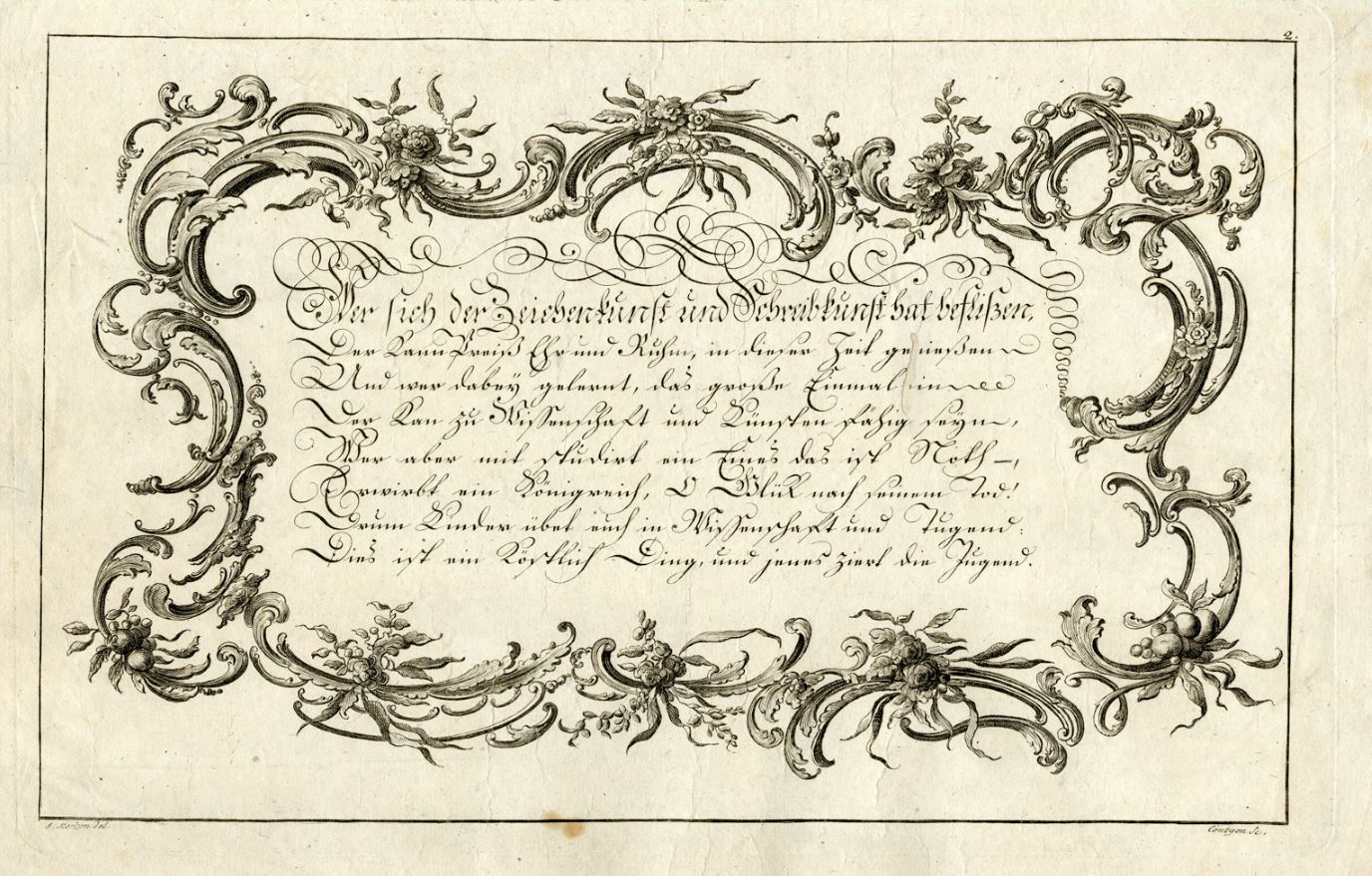
The human devotion to beauty through the art of calligraphy, where movement, discipline, and emotion find their rhythm in ink
The Dance of Line and Breath
Calligraphy begins not with a pen or brush, but with silence. Before the first stroke meets paper, there is a moment of breath where the artist’s pulse aligns with intention. This synchronization transforms movement into meditation. Each letter that follows becomes a dialogue between control and release, a negotiation between structure and freedom. The writer feels the subtle resistance of paper and learns that beauty is born from balance, not force. In this harmony, time slows, and thought becomes visible. The art of calligraphy is therefore not only an aesthetic practice but a spiritual one, tracing the motion of thought as it materializes into form. The smallest curve or flourish carries emotion, discipline, and centuries of tradition within its contour.
Every calligrapher learns to listen to the rhythm of their own motion. The ink’s density, the paper’s grain, and the tool’s flexibility all respond to touch differently. Perfection is not the absence of error, but the awareness of impermanence within form. The mastery of calligraphy is not found in repetition but in attention. As in music, silence defines meaning; as in poetry, space gives shape to sound. To practice calligraphy is to learn how to inhabit stillness fully and to let that stillness speak through line.
Echoes of Civilization in Ink
The history of calligraphy is the history of communication elevated to art. From ancient Chinese scripts to medieval manuscripts, societies have used written forms not only to record but to exalt language itself. Each civilization imprinted its worldview through its strokes. In China, calligraphy became philosophy in motion, a visual embodiment of balance and virtue. The Arabic tradition wove divine expression into geometric grace, turning sacred text into architecture of spirit. In Japan, calligraphy emerged as an extension of Zen thought, its simplicity masking infinite complexity. Europe, meanwhile, adorned its religious manuscripts with illuminated letters that shimmered like prayer made visible. Across these diverse origins, one principle unites them: writing as a sacred act of preservation and presence.
To trace these histories is to see humanity’s evolving relationship with expression. The written word has always served as bridge and mirror, capturing both intellect and emotion. Calligraphy distills that duality, reducing communication to its essence while magnifying its soul. In every era, the form reflected its time’s ideals. The precision of Roman capitals echoed empire and order. The fluidity of Islamic scripts mirrored infinite creation. The flourishes of Renaissance handwriting celebrated rediscovery of individuality. Through calligraphy, the world recorded not just what it knew but how it felt knowing it.
Tools That Carry Intention
Every instrument used in calligraphy has a personality. A quill carries air within its hollow stem, delivering ink in a rhythm that breathes. A brush gathers movement, its bristles translating muscle memory into living texture. A dip pen, with its fine nib, transforms pressure into expression, letting a whisper become a declaration with the smallest shift of weight. Even the ink itself behaves like a living medium. It flows, pools, or spreads depending on its composition and the surface beneath it. The calligrapher must know these temperaments as intimately as one knows voice or heartbeat.
Craftsmanship extends beyond artistry into engineering. The angle of the nib, the viscosity of ink, and the porosity of paper all affect outcome. Traditional practitioners mix their own inks using soot, minerals, or plant dyes, each chosen for symbolic or aesthetic reason. The preparation itself becomes part of the ritual. Cleaning a brush or trimming a quill is a gesture of respect, a recognition that tools embody the continuity of skill. When handled properly, they become extensions of the mind. In the right hands, a brush or pen becomes not a means of writing but an instrument of revelation, unveiling the inner architecture of thought through line.
The Language of Movement
To understand calligraphy, one must understand that it is not static art. Each stroke is a motion frozen in time, a record of energy transitioning from invisible to tangible. The hand accelerates and decelerates, translating rhythm into form. The difference between an amateur’s line and a master’s is not precision but vitality. The master’s stroke retains breath. It curves with authority yet remains supple, allowing the viewer to feel the motion that produced it. In this sense, calligraphy resembles dance captured mid-step. It contains both movement and stillness, both gesture and restraint.
Every alphabet possesses its choreography. Arabic calligraphy moves in spirals, a perpetual motion of divine reflection. Chinese calligraphy flows like a river, responding to gravity, speed, and space. Western calligraphy builds order through repetition, its disciplined geometry creating structure within freedom. The interplay between line and empty space is central to all of them. The calligrapher learns not only to draw but to pause, to let absence sculpt meaning. The pauses between strokes are what give letters life. Without rhythm, the page is decoration; with rhythm, it becomes language alive.
Ink and Philosophy
Calligraphy has always been more than visual art. It is a philosophy written through motion, where mastery of the hand mirrors mastery of the self. Ancient practitioners spoke of the brush revealing the soul, believing that each stroke disclosed character and temperament. A hurried mark betrayed impatience, while a steady one reflected mindfulness. In this sense, the page becomes a mirror of being. Writing transforms into meditation, a dialogue between consciousness and material. The artist does not impose control but listens, adapting to what emerges naturally. The result is authenticity that transcends perfection.
Modern calligraphers often rediscover this dimension through practice. The physical repetition of strokes cultivates patience, while the unpredictability of ink teaches acceptance. The act reminds us that beauty resides in imperfection. The finest line trembles slightly, revealing the humanity behind it. This fragility becomes part of the art’s grace. It teaches humility, inviting us to appreciate process over product. Calligraphy, in this way, becomes a quiet antidote to modern haste. It restores the value of slowness and redefines progress not as speed but as depth of attention.
The Collector’s Eye for Script
Collectors of calligraphy seek more than decoration; they seek evidence of consciousness. A single page of ancient writing can hold entire worlds within its ink. The subtle pressure marks left by a long-gone hand are traces of breath preserved in time. To hold such a piece is to touch both art and history. Each culture left behind its treasures: scrolls brushed with imperial poetry, letters written by scholars, manuscripts illuminated with gold leaf. Collectors approach these works with reverence, studying the slightest irregularities for signs of authenticity. Every stroke tells a story not only of what was written but who wrote it and why.
Modern collectors also appreciate contemporary calligraphy for its evolution. Artists today blend tradition with abstraction, using calligraphic gesture as visual language. The form transcends literal meaning to explore texture, rhythm, and emotion. Some use ink and brush; others experiment with acrylics, digital tools, or unconventional materials like sand or smoke. What remains constant is respect for gesture. Whether preserved in scrolls or framed on gallery walls, calligraphy invites slow looking. It resists instant comprehension, rewarding those willing to dwell in detail. For the collector, the allure lies not only in ownership but in communion, the chance to hold a piece of another’s silence.
The Resonance of Modern Practice
Though its origins stretch back millennia, calligraphy continues to evolve. Its survival lies in its adaptability. Artists around the world reinterpret its essence through new media, blending digital precision with organic imperfection. Designers incorporate hand lettering into logos, branding, and visual art, restoring individuality in a world saturated by typefaces. Schools and communities promote calligraphy as mindfulness practice, teaching how slow, deliberate movement can quiet the mind. The meditative appeal resonates deeply in contemporary culture, where attention has become fractured. Calligraphy offers a way to reclaim focus, to make time visible again through the act of writing.
Social platforms have given rise to a renaissance of script. Videos of ink flowing across paper, of nibs gliding smoothly over grids, captivate millions. The sight of deliberate creation feels restorative in an age of automation. Workshops, exhibitions, and online groups connect practitioners across borders, transforming an ancient discipline into living dialogue. While tools and technologies may change, the essence remains unchanged. Calligraphy endures because it speaks to something universal: the longing to give form to thought through beauty. Every generation rediscovers this impulse, finding in it both nostalgia and renewal.
Where Line Meets Silence
To practice calligraphy is to enter a conversation older than language itself. The hand, guided by rhythm and care, traces patterns that outlast breath. Each line becomes memory in motion, proof that presence can be recorded without words. Calligraphy’s enduring power lies in this paradox: it freezes movement while celebrating impermanence. The ink may fade, but the gesture remains. Through it, the artist learns to see time not as succession but as continuity, an unbroken thread connecting writer and reader across centuries. In every stroke lies a reminder that expression is more than communication, it is communion. To draw a letter is to touch the infinite, and to leave behind not simply text but testament.