

The Worlds That Move in Miniature
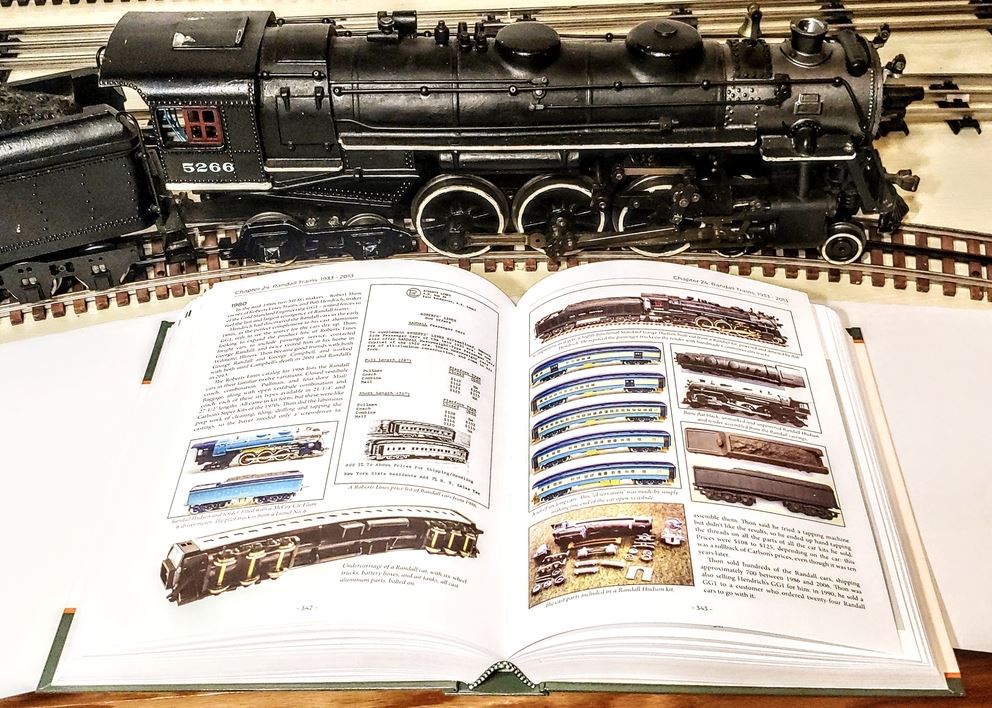
The artistry, engineering, and quiet devotion behind the enduring fascination with model trains
The Rhythm of a Scaled World
In every model train layout, there is a pulse that feels almost human. The hum of motors, the glint of polished track, and the rhythmic click of wheels form a kind of heartbeat that belongs to a smaller universe built entirely by hand. Model trains are not mere toys, they are orchestrated worlds where imagination and precision coexist. The collector who builds them becomes an engineer, an artist, and a storyteller. Every curve of rail and flicker of light embodies hours of careful thought, shaping a landscape where nostalgia breathes and time slows down. The fascination lies not only in the trains themselves but in the dream they carry, a vision of order and wonder crafted at human scale.
For many, these miniature railways are not about escape but connection. They reflect the landscapes of memory, the places once visited or only imagined. A model train layout might recreate a rural town, a bustling industrial yard, or a distant country that lives only in the builder’s imagination. What makes the practice unique is how it merges the mechanical with the emotional. The trains run on electricity, but they move on affection. Each track is laid with a sense of purpose, each station built with care that borders on devotion. Within their confined circuits, model trains remind us that small worlds often carry the largest sense of meaning.
The Origins of Motion in Miniature
The story of model trains begins in the late nineteenth century, when industrial craftsmanship first met the curiosity of childhood. Early models were made of tin and brass, powered by clockwork or steam. They were marvels of engineering that captured the imagination of both children and adults. The first electric models arrived in the early twentieth century, transforming static playthings into moving systems. Suddenly, miniature railways could mimic the operation of real ones. Companies like Märklin, Hornby, and Lionel turned the fascination into industry, crafting precision models that balanced mechanical realism with accessibility.
Over time, these small locomotives became more than consumer goods. They became symbols of progress, artistry, and technical mastery. The golden age of model railroading, between the 1930s and 1950s, saw enthusiasts creating elaborate layouts that filled basements and halls. They represented the optimism of a world in motion. To build and operate a model railway was to participate in a collective fascination with movement, precision, and control. The craft also evolved alongside the real railways it mirrored, absorbing every technological innovation from electric circuits to computer-assisted control. Today, the roots of that heritage remain alive, nurtured by those who still find magic in the hum of an engine no larger than a thumb.
The Scales That Define Imagination
Scale is the language of model trains, the grammar that determines proportion and perspective. Each scale represents a distinct relationship between model and reality, allowing enthusiasts to choose the balance between detail and space. HO scale, for instance, offers a perfect compromise, large enough for intricate modeling, small enough for expansive layouts. N scale invites compression, making it possible to recreate vast landscapes on modest tables. O scale embraces the tactile, its size emphasizing craftsmanship over density. Every scale embodies a different philosophy of creation, a different way of experiencing the miniature world.
What fascinates collectors most is how scale transforms perception. To work in miniature requires the mind to think in ratios, to translate the vast into the intimate. A tree in HO scale is not just a tree, it is an interpretation of growth reduced to essence. The challenge is one of illusion, how to evoke reality without overwhelming the space. This balance defines the artistry of model railroading. A well-executed layout does not attempt to reproduce the world perfectly, it recreates the feeling of reality in smaller form. Scale becomes poetry, a language that allows builders to compress miles into inches without losing the sense of wonder that real railways inspire.
The Landscape as Memory
Every model railway layout is a landscape of memory. Builders pour their histories, desires, and dreams into the terrain. The hills and towns are not random, they are autobiographical. A small farmhouse might recall a childhood home, a tunnel might represent a journey once taken, and a station might stand for a place where someone once said goodbye. Through crafting terrain, collectors become memory-keepers. They restore forgotten geographies and transform nostalgia into something tangible. In this sense, the model railway becomes a personal museum where time is curated, edited, and lovingly replayed.
Creating landscapes requires more than artistic flair. It demands patience, observation, and sensitivity to how nature and human life intertwine. Builders study photographs, maps, and history to replicate the texture of real terrain. Rocks are shaped from plaster or foam, trees are sculpted from wire and fiber, and rivers are cast from resin that catches light like water. The result is not just scenery but atmosphere. The landscape becomes the stage where the trains perform their endless loop, turning motion into meditation. In watching the train pass through valleys and bridges, one feels the continuity of memory itself, always moving yet always returning.
The Craft of Control and Power
Beneath the scenic calm of a model railway lies an intricate web of control. Electricity flows through rails like blood through veins, powering locomotives with silent precision. The art of wiring and control systems separates casual hobbyists from dedicated builders. In the past, analog transformers governed speed and direction. Today, digital command control systems allow multiple trains to operate independently on the same track, each obeying coded signals invisible to the eye. This fusion of art and technology represents the pinnacle of the hobby’s evolution. It allows the miniature world to mimic the complexity of real railways with astonishing accuracy.
The mastery of control extends beyond mechanics. It involves rhythm and pacing, the choreography of movement. A skilled operator can make trains appear to communicate, adjusting speed and timing to create the illusion of coordination. Lighting effects simulate dawn and dusk, and sound modules replicate the groan of engines and the squeal of steel. The layout becomes alive, not through automation but through intention. Every flick of a switch becomes performance. For collectors and builders alike, the satisfaction lies in the harmony between unseen mechanisms and visible beauty, where every hum and spark feels like part of a living organism crafted by human care.
The Community of Builders
Though the model railway is often imagined as a solitary pursuit, it thrives through community. Across the world, clubs and exhibitions gather enthusiasts of every generation. These spaces are not merely for display, they are for dialogue. Builders exchange techniques, share stories, and celebrate craftsmanship. Within these communities, mentorship plays a vital role. Experienced hobbyists pass down not only knowledge but philosophy. They teach patience, humility, and respect for detail. The community becomes a living archive, preserving traditions while welcoming innovation. It is a space where the young learn from the old, and where the old rediscover curiosity through the eyes of newcomers.
Public exhibitions transform the private act of building into shared celebration. Layouts fill gymnasiums and halls, their landscapes illuminated under soft light. Spectators lean close, mesmerized by moving trains that seem to possess their own consciousness. These gatherings remind the world that craftsmanship still matters in an age of speed and abstraction. The model railway community sustains itself not through competition but collaboration. Each builder adds to a collective dream where imagination and engineering meet. Through this culture of generosity, the miniature world becomes a symbol of continuity in a society that too easily forgets the value of patient creation.
The Collector’s Philosophy
Collectors of model trains are historians in miniature. Each locomotive and car carries lineage, a chain of innovation that links decades of design. Some collect by era, focusing on steam or diesel, others by manufacturer, seeking the subtle variations that define authenticity. For many, collecting is an act of preservation. They rescue forgotten models, repair aging mechanisms, and document production histories that might otherwise vanish. The collector’s shelf is both archive and altar. To restore a worn locomotive to running condition is to resurrect a fragment of industrial history and grant it new life within the present.
Yet collecting also invites reflection. Why do people devote years to gathering objects so small and specific? Perhaps because collecting offers a sense of continuity in a fragmented world. Each piece connects to a lineage of makers and dreamers who valued precision over haste. The collection becomes a story of devotion, an act of gratitude toward craftsmanship itself. In caring for these machines, collectors preserve more than metal and paint. They preserve the idea that beauty can exist in repetition, that art can emerge from the mechanical, and that small things can hold immense meaning. The collector’s philosophy teaches patience, attention, and reverence for the unseen artistry of motion.
The Future of Miniature Motion
As technology advances, model railroading continues to adapt without losing its essence. Modern builders incorporate digital modeling, 3D printing, and smart control systems into their layouts. Trains can now be programmed through mobile devices, scenery can integrate real-time lighting effects, and virtual simulations allow designs to be tested before construction. Yet even amid innovation, the spirit of the hobby remains unchanged. The satisfaction still comes from touch, from the weight of a rail section, from the sound of a train beginning its circuit. The fusion of old and new technology expands possibilities without diluting meaning. It proves that tradition and innovation can coexist in balance.
The future of model trains lies not only in machines but in imagination. As environmental and spatial limitations grow, digital hybrids may become more common, allowing collectors to experience virtual railways that echo physical ones. Still, nothing replaces the intimacy of a layout built by hand, where each wire and tree represents effort and intention. The future will likely blend tactile craft with digital precision, but the heart of the practice will remain the same, the joy of creating movement within stillness, and the quiet revelation that the world, no matter how small, is always alive when touched by care.
The Small Worlds That Keep Moving
To watch a model train run its circuit is to witness harmony in motion. It begins, loops, and returns, echoing the cycles of life itself. Within these miniature worlds, the noise of modern existence softens into rhythm. The builder, the collector, and the observer share in this stillness, finding meaning in motion and art in repetition. The allure of model trains lies not in their scale but in their sincerity. They invite us to slow down, to notice the details that reality rushes past. In their endless journey around tracks that never truly end, they remind us that creativity is not about speed but about devotion. These small worlds keep moving, carrying within them the timeless truth that imagination, once set in motion, never stops.