

The Cultural and Artistic Legacy of Vintage Posters
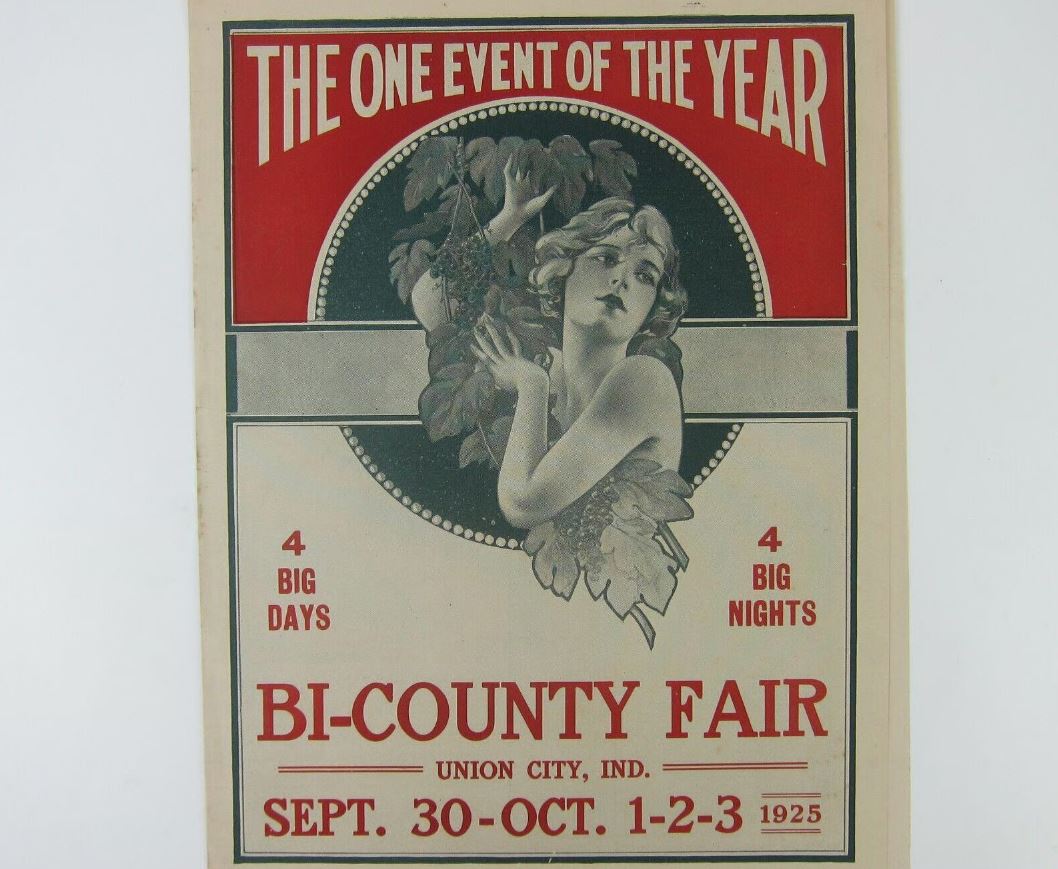
Examining how design, advertising, and social movements shaped the evolution and collectibility of vintage posters across generations
The Birth of the Poster as a Public Art Form
The emergence of the poster as an art form occurred during the late nineteenth century, when advances in printing technology intersected with the rise of urban culture. The invention of color lithography made it possible to produce vibrant images quickly and affordably, transforming city walls into open-air galleries. Artists such as Jules Chéret in France pioneered this new visual medium, creating large, colorful advertisements for cabarets, theaters, and products. His work combined elegance with accessibility, turning commercial graphics into artistic statements. The streets of Paris soon became covered with posters that blended illustration, typography, and modern design. These early posters not only promoted goods and entertainment but also reflected social changes, consumer culture, and artistic innovation. They bridged the gap between fine art and everyday life, inviting the public to engage visually with design in a way that had never been possible before.
The influence of early poster design spread rapidly across Europe and the United States. Artists recognized the poster’s power to communicate ideas visually and emotionally. As mass media began to take shape, posters became one of the first truly democratic art forms, accessible to everyone who walked the streets. Collectors began saving them, recognizing their artistic and cultural value. This period marked the foundation of what we now call vintage posters, objects that capture not only the aesthetics of their era but also the aspirations and values of society at large.
The Golden Age of Poster Art
The decades between 1890 and 1910 are often referred to as the Golden Age of poster art. During this time, artists experimented with new visual languages that reflected the optimism and elegance of the Belle Époque. Art Nouveau, with its flowing lines, organic forms, and ornamental typography, became the dominant style. Figures like Alphonse Mucha elevated the poster from commercial signage to collectible art. His works for theater productions and luxury brands transformed ordinary advertising into visual masterpieces. Each composition was carefully balanced, with harmonious color schemes and decorative motifs that celebrated beauty, nature, and femininity. Posters became cultural icons, representing not just products but entire lifestyles.
In the United States, poster design developed its own distinct character. Influenced by both European aesthetics and industrial modernism, American posters favored bold colors, simplified forms, and direct messaging. Railroads, circuses, and political campaigns all adopted posters as powerful tools for persuasion. The medium adapted to the rapid pace of modern life, balancing artistry with clarity. The poster became both a symbol of modern communication and an enduring object of visual pleasure. As printing techniques improved, posters grew more detailed, and collectors began treating them as fine art rather than disposable ephemera.
Political and Propaganda Posters
The twentieth century redefined the purpose of posters. Wars, revolutions, and social movements transformed them from commercial advertisements into political instruments. During World War I, governments realized the power of visual design to mobilize public sentiment. Slogans such as “I Want You” and “Your Country Needs You” combined emotional imagery with direct calls to action. The striking compositions of artists like James Montgomery Flagg and Alfred Leete became synonymous with patriotism and collective effort. Posters were no longer passive decorations; they were tools of persuasion capable of shaping national consciousness.
The same visual strategies were later employed during World War II and throughout the Cold War. Propaganda posters across the world adopted vivid colors, heroic figures, and clear messages to influence behavior and morale. Beyond war, posters also played a crucial role in political movements, from Soviet Constructivism to American civil rights campaigns. Designers used typography, abstraction, and symbolism to communicate urgency and ideology. Many of these works have since become historical artifacts, valued not only for their artistry but for their ability to encapsulate the emotions and politics of their time. Collectors today regard political posters as documents of visual history, each bearing witness to the struggles and hopes of the societies that produced them.
Posters and the Rise of Commercial Culture
As global consumerism expanded in the twentieth century, posters became essential components of advertising strategy. Companies recognized that effective visual design could create brand loyalty and emotional connection. From travel agencies to beverage companies, posters celebrated modern life through imagery of speed, leisure, and aspiration. The sleek designs of Art Deco, with their geometric shapes and streamlined forms, perfectly suited this new industrial optimism. Artists such as A. M. Cassandre and Paul Colin elevated commercial posters into cultural symbols. Cassandre’s famous designs for steamships and typefaces blended precision with dynamism, reflecting the confidence of the modern era.
Travel posters, in particular, became a defining feature of this period. Railways and airlines commissioned artists to depict exotic destinations in vibrant color palettes that promised adventure and luxury. These posters served a dual purpose: promoting tourism and shaping public imagination. Even today, vintage travel posters are highly collectible, prized for their craftsmanship and nostalgic appeal. They represent an era when design was both functional and aspirational, merging art with marketing in a way that continues to influence visual communication today.
The Cultural Impact of Movie and Music Posters
The rise of film and popular music created new opportunities for poster design to evolve. In the early days of cinema, movie posters functioned primarily as advertisements, featuring bold lettering and dramatic imagery to attract audiences. As film became an art form, so too did its promotional materials. Studios hired skilled illustrators and designers to capture the tone and style of each production. The posters of the 1930s and 1940s, with their striking compositions and hand-painted portraits, are now considered masterpieces of commercial art. They reflected not only the glamour of Hollywood but also the aspirations of the audiences who filled theaters.
By the 1960s and 1970s, poster design began to intersect with counterculture movements. Music posters for rock concerts and festivals adopted psychedelic aesthetics, using intense color gradients, surreal imagery, and distorted typography to capture the spirit of rebellion. Designers like Wes Wilson and Victor Moscoso turned posters into visual expressions of sound and freedom. These works blurred the boundaries between fine art and popular culture, influencing graphic design for decades to come. Collectors now regard concert posters as significant cultural artifacts, celebrating both artistic experimentation and the social energy of their time.
Collecting and Preserving Vintage Posters
The appeal of vintage posters lies in their ability to combine design, history, and nostalgia within a single image. Collectors view them as gateways into the past, each piece revealing something about the aesthetics, politics, and values of its era. The market for vintage posters has grown significantly over the past few decades, with major auction houses and galleries specializing in rare examples. Condition, rarity, and provenance are key factors in determining value. Original prints, especially those with limited production runs or notable artists, can command high prices. However, the market also thrives on accessibility, as reproductions and restored prints allow new enthusiasts to appreciate the art form without prohibitive cost.
Preservation is critical to maintaining the integrity of vintage posters. Because they were originally printed on inexpensive paper, many have deteriorated over time. Restoration experts use archival techniques to stabilize and clean fragile works, often mounting them on linen to prevent further damage. Proper framing and protection from light are essential to preserving color vibrancy. Collectors often develop a deep appreciation for the craftsmanship and printing techniques of the past, learning to identify differences between lithographs, screen prints, and offset prints. In this way, poster collecting becomes both an aesthetic pursuit and a study of material culture.
Modern Influence and Reinterpretation
Contemporary designers and artists continue to draw inspiration from vintage posters. The minimalist layouts, bold color schemes, and expressive typography of early twentieth-century designs remain relevant in today’s digital age. Many graphic designers study vintage posters to understand visual hierarchy and the power of simplicity in communication. Art schools use them as teaching tools to demonstrate how design can evoke emotion without relying on excessive detail. Even brands reference vintage aesthetics in advertising campaigns to evoke authenticity and nostalgia. This retro revival underscores the timeless appeal of poster design, proving that good composition and storytelling never go out of style.
In addition, modern artists reinterpret the poster as a medium for commentary and expression. Screen printers and illustrators produce limited-edition art prints inspired by historical design principles but infused with contemporary themes. These new creations blur the line between collectible memorabilia and modern fine art. They demonstrate that the poster’s role as a democratic art form continues to thrive, adapting to new technologies and audiences while maintaining its visual potency. The legacy of vintage posters lives on not just in collections but in the ongoing dialogue between past and present creativity.
The Enduring Legacy of Poster Art
Vintage posters remain a testament to the power of design to inform, persuade, and inspire. They capture the evolution of visual culture, from hand-drawn lithographs to mass-produced prints, from propaganda to pop art. Each poster embodies the spirit of its time, reflecting how societies viewed themselves and the world around them. As collectible objects, they connect generations of artists, collectors, and viewers through shared appreciation for craftsmanship and creativity. Whether displayed in a museum, a home, or a digital archive, vintage posters continue to remind us that visual communication is both an art and a record of human experience. Their legacy endures because they speak a universal language, one of color, composition, and imagination.